While pitting the two reports against each other wouldn’t be very fair – as one accounts for an entire industry, and the other is only a slice, plus the data is from two different years – I thought it was still worth noting the highlights in a single post to provide perspective on the gigantic size of these two industries.
When it comes to WINE:
The wine industry’s total economic impact to the U.S. for 2017 is $219.9 billion (California accounts for $71.2 billion. To see more state data see the chart on this Wines & Vines story, or you can individually look up each state’s details here. Pssst… journalists… this is an amazing resource to give context to your future stories).
There are 10,236 winery facilities in all 50 states.
There are 677,629 acres of vineyards across every U.S. state, except Alaska.
The wine industry supports 1,738,270 American jobs, with wages exceeding $75.7 billion.
A total of $36.5 billion in taxes is generated – more than $19 billion for the federal government, and $17.5 billion to states and localities.
In the world of BEER:
The craft brewing industry contributed $67.8 billion to the U.S. economy in 2016 – a 21.7 percent increase from 2014.
There are 5,301 breweries in the U.S.
The industry accounts for more than 456,373 full-time jobs (a 7.5 percent increase from 2014).
Just like wine, the state with the highest economic impact is California with $7.3 billion (see all the state data here and here).
A quick post to highlight three of the delicious stops that helped fuel last December’s trip. I try to keep It’s Wine By Me! wine-centric, but these were too good not to mention. As a solo traveler, these were also perfect for dining without a plus one, or two or three…
FOR BREAKFAST OR BRUNCH: Boon Fly Cafe. Located on the edge of the Carneros Inn, on Sonoma Highway as you start to escape Napa, this is one of those places that on a weekend morning, you’ll be sure to see a line waiting outside to be seated. Fortunately, there was a single spot at the bar which I seized immediately. The food came out quickly, which is always appreciated when you have a full day of activities planned. More importantly it was delicious!
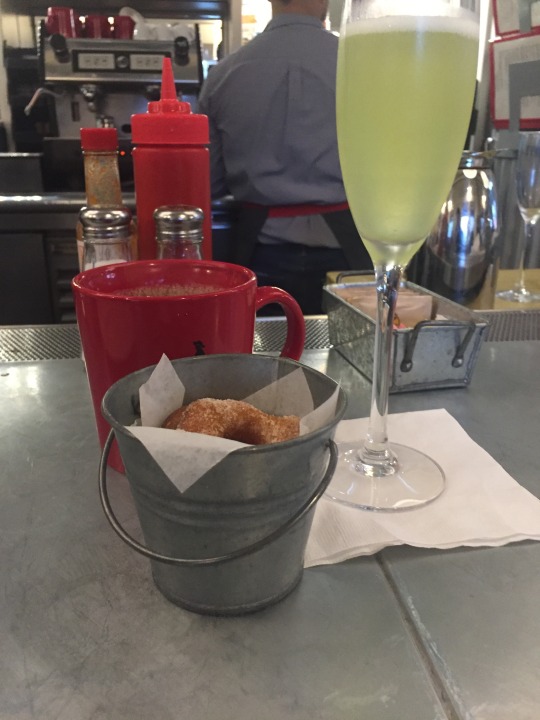
Fresh melon mimosa with mini donuts. Coffee for good measure, too.
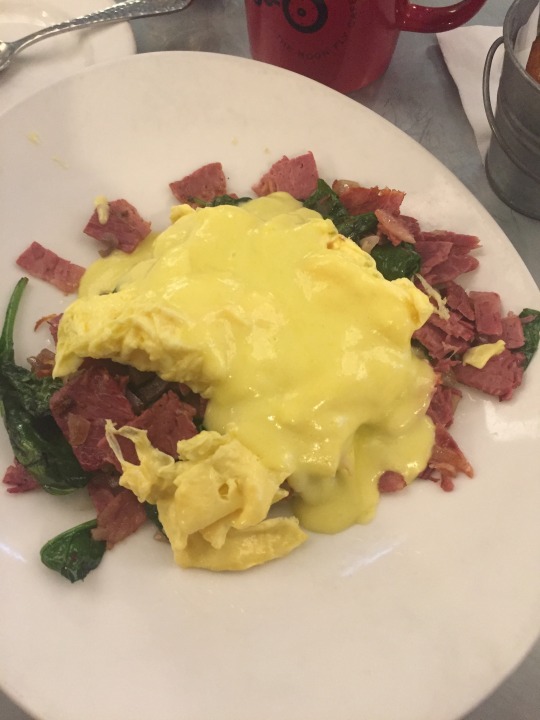
If I hadn’t already splurged enough, the Corned Beef Hash with spinach and jalapeno hollandaise was amazing. Note: they didn’t even blink when I asked for scrambled eggs instead of a poached one. In other words, the dish as prepared is probably much prettier than this pic.
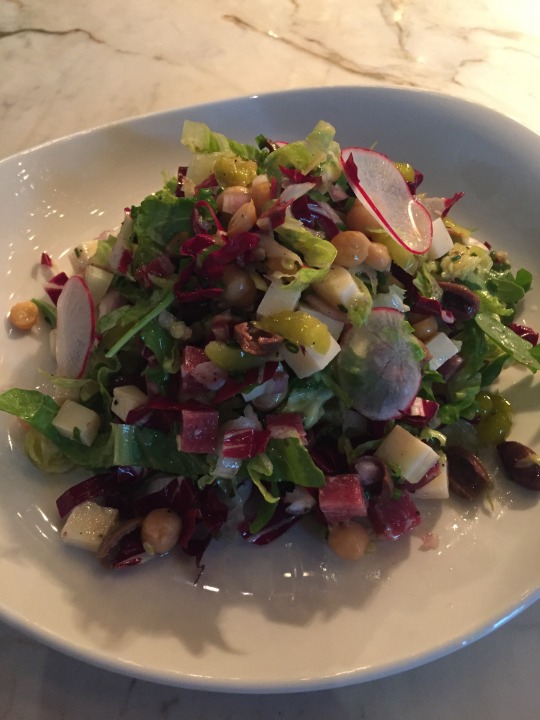
FOR LUNCH: Redd Wood. This is the more casual outpost of the popular Redd in Yountville. Redd Wood is known for their wood-oven pizzas, which I’ve had before and are delicious, but a friend recommend stopping here for their pasta. On a rainy cool day after touring cold caves, how could I resist warm comfort food. I sat at the bar, ordered a glass of an Italian rosato, and began talking to the woman (a winemaker!) next to me. I was so busy chatting, enjoying the ambiance and the wine, that I didn’t realize it had taken longer than it should have for my pasta to arrive. The only tip-off was when the chef sent out a beautiful chopped salad I didn’t order as a “we’re sorry.”
I’ll let the picture of this beautiful chopped salad speak for itself.
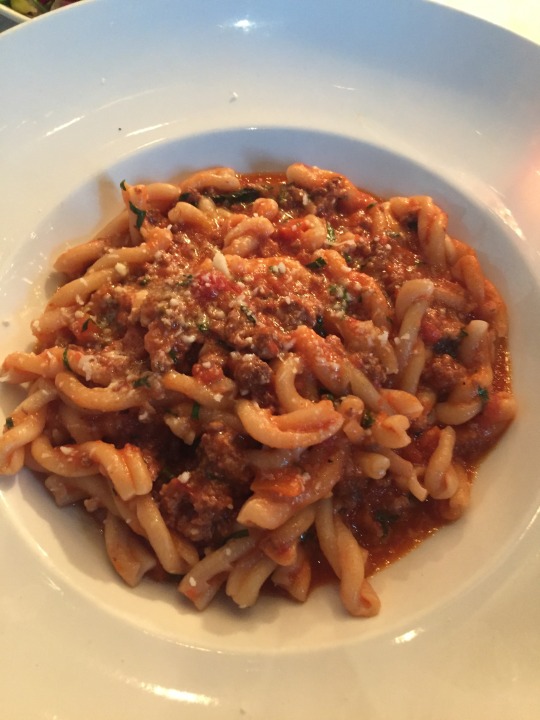
Not very long after, the pasta appeared. Again, I’ll let the picture speak for itself. It was everything I wanted it to be and more (and so were the leftovers the next morning!).
Gemelli with bolognese.
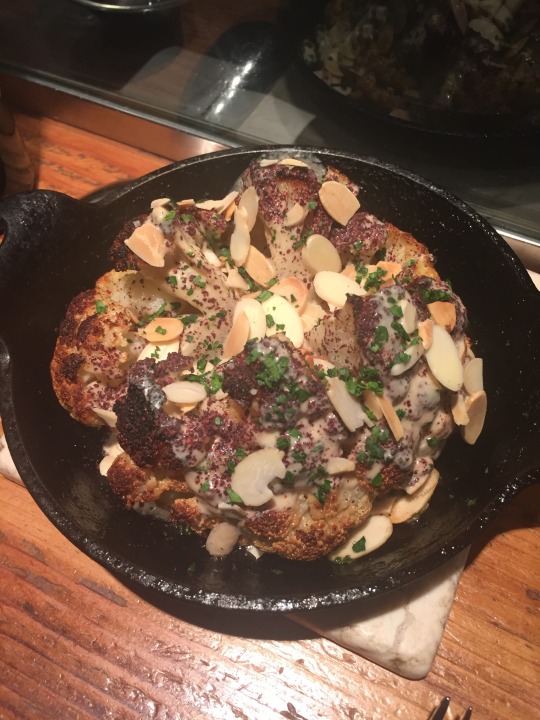
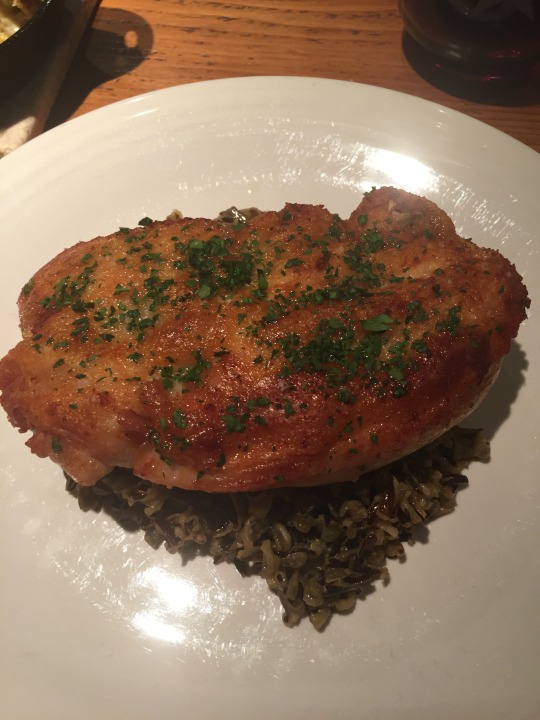
FOR DINNER: Glen Ellen Star.One of the things I adore about this restaurant nestled in the tiny Sonoma County hamlet of Glen Ellen is that it’s perfect for a quiet meal with someone you love, but also has the perfect counter for the solo diner. You’re up-close enough to the open kitchen that asking a question of the chefs is a little too easy to do. Known for its beautiful wood hearth, I had heard good things about the vegetables, so I immediately ordered the cauliflower and then selected the brick chicken. Both were as amazing as they look. I topped the meal with some of their homemade ice cream and swore up and down I’d be back on my next visit.
Cauliflower, tahini, almonds and sumac straight out of the wood oven.
There’s never a bad time of year to jet across the country to visit California wine country, but one of my favorites is right before the holidays. Most harvest activities are over. The holiday craziness has yet to commence. It’s super quiet and if you’re lucky, the winter rains bring bright green cover crops in the vineyards just as the leaves – in their vibrant yellows, oranges and reds – start to fall to the ground (yes, there are seasons here!).
Without a particular mission (except any and all effort to escape my D.C. life), I set up shop at the bottom edge of Napa Valley – allowing easy access to downtown Napa, the length of Napa Valley and the roads leading to Sonoma (city, county and coast). By the time I turned in the rental car at the end of the week, the odometer had 626 extra miles on it.
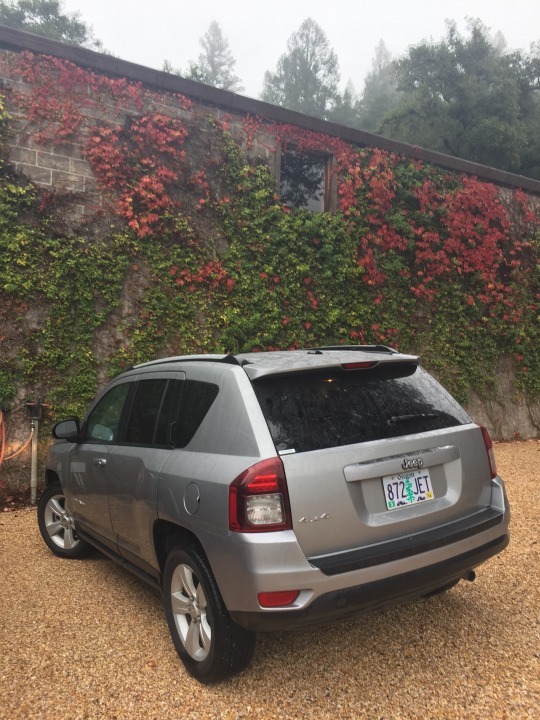
My trusty rental car was perfect for traversing highways and dirt roads. Here it is parked at Chateau Boswell
Here are just a few highlights:
My first stop after checking into the hotel, was a brief visit to Cadet Wine Bar where local winemakerRory Williams of Calder Wineswas pouring flights. (Read more about Rory and his wines here). The small label focuses on local Napa varieties that have been there for decades but tend to get lost among the dense plantings of Cabernet, Merlot and more popular grapes. I tasted his Dry Reisling, Chenin Blanc and Charbono. All three were a nice a diversion from what’s typically expected in Napa. The Charbono was especially interesting. A bit brooding with dirty anise and dark fruit chased with black olives.
Complete with a “celebrity” sighting of one of the stars of the documentary Somm, Cadet was the perfect start to this trip.
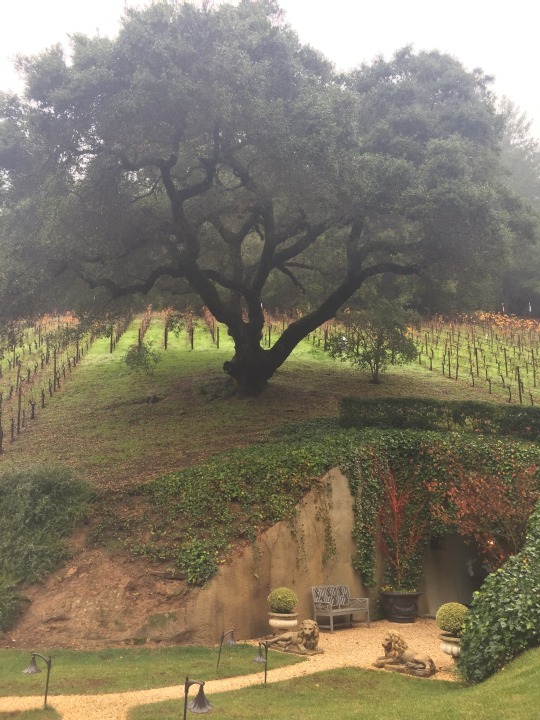
In Napa Valley, I had only one formal visit set up – and that was to see Chateau Boswell, just off the Silverado Trail in St. Helena. While this boutique winery has been making wine since 1979, in the past couple decades it’s seen the addition of a beautiful cave and facility to make and store its bottles. It also recently added a new winemaker – Phillipe Melka (Food & Wine has a nice profile of him here). The winery was stunning. Behind big iron gates and beautifully landscaped grounds, the cave was cut into the bottom of a hillside that featured its Cabernet Sauvignon and Cabernet Franc plantings.
When Chateau Boswell’s cave was built under the vineyards, the owners ordered the builders not to disrupt the huge tree on their property.
I sampled their Russian River Valley Chardonnay and 2014 Estate Cabernet out of bottle, and tasted a few 2015 Pinot Noirs out of the barrels. With a new winemaker now calling the shots, Chateau Boswell’s 2014 Estate Cabernet has pivoted a bit. Unlike previous years, the latest vintage blends in much more of the Cabernet Franc grown on the property (about 40 percent), giving it an elegant backbone. These wines work to strike a balance between having something that’s pleasurable now, yet can keep a structure to let it properly age.
Inside Chateau Boswell’s cave.
My next set of visits, spanning a couple of days, were with winemakers I’ve come to adore during the past several years.
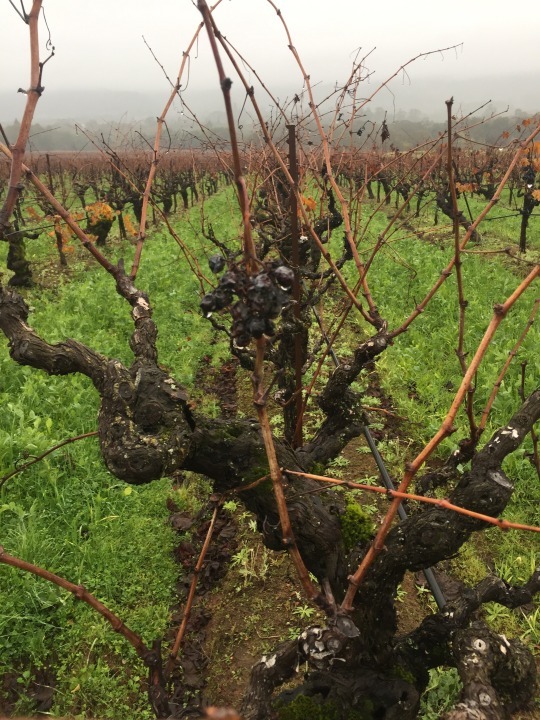
In Glen Ellen, a tiny town in Sonoma County, I visited Chris Cottrell of Bedrock Wine Co.He first took me into the famous 140-year-old Bedrock Vineyard. The old gnarly vines were absolutely stunning, and with the cover crops blooming on this fizzy gray day, the experience just standing there left me nearly speechless.
Bedrock Vineyard’s gnarly vines – some still with a bit of dried-up fruit on its vines – are especially stunning on this misty December day.
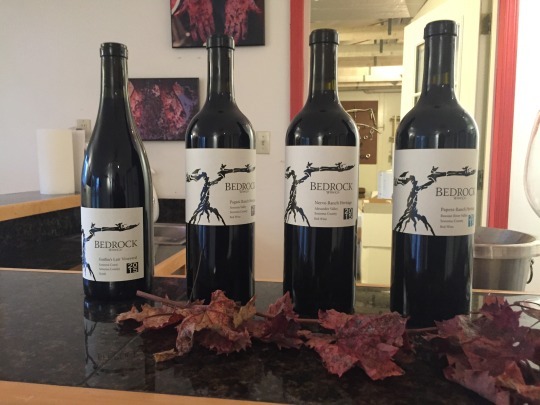
I’ve been buying wine from Bedrock for a few years now and always appreciated their approach to seeking out old vineyards to make their wine. But what I didn’t realize is that they’re not just seeking good fruit. It’s a mission to help change the farming culture so that these vineyards don’t disappear or get replanted with some other crop (recently going so far as to buy a vineyard). Using science as the basis for sustainable farming techniques, the Bedrock team is eager to help these old vineyards become prosperous again. Along the way, Bedrock creates 30 or 40 different wines. We tasted through a half a dozen – each one expressing beautiful California fruit with a balance of all those earthy morsels that transport you back to the vineyard.
Inside Bedrock’s original tasting room next to Bedrock Vineyard. The team also recently purchased a historic building to build a new tasting room.
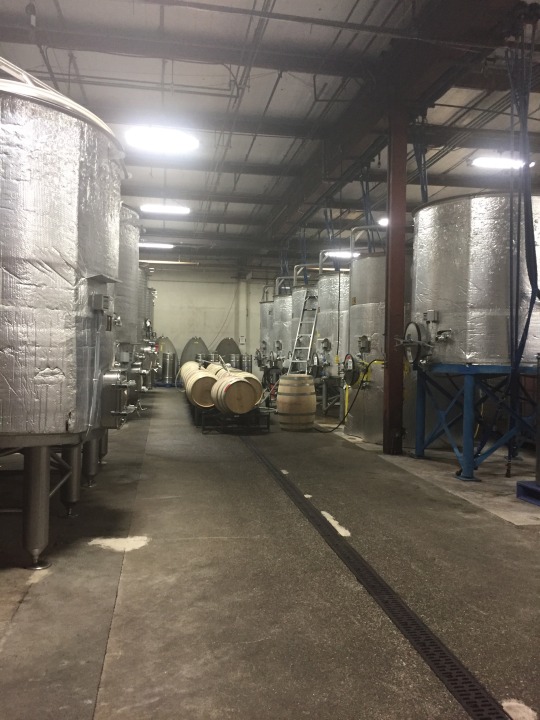
While being outside in the vineyards is wonderful, it’s just as invigorating to meet with winemakers in their other natural habitat: inside the winery. That’s why visiting with John Lockwood at Enfield Wine Co. is always a treat. (to learn more, read this profile or listen to this podcast). He makes his wine at Punchdown Cellars in Santa Rosa, a custom crush facility which leases out space and equipment to winemakers. This is my second visit to Punchdown and it’s always fun to see the racks of barrels, the fermenting tanks and to taste wine surrounded by people getting their hands dirty and doing the work.
Fermenting tanks at Punchdown Cellars, including some concrete eggs way at the end of the aisle.
John set up his wines for me in a quietish corner and we went through most of his line-up. Whether it’s his Tempranillo, Pinot Noir, Syrah or Cabernet, his ability to translate each vineyard into elegant wines, made it difficult to not guzzle through each bottle right then and there.
Tasting through Enfield’s wines at Punchdown Cellars.
From Santa Rosa, I drove to Sebastapol – which also meant guzzling through Enfield was not a viable option. But the restraint was worth it so I could visit with Katy Wilson. And while she was named a winemaker to watch in 2013, four years later, I’d argue, she’s still important to pay attention to. I’ve met her a few times at tastings here on the east coast, where she often pours her own label with the help of her dad. We met inside Claypool Cellars’s tasting room – a renovated train car inside a business and shopping center.
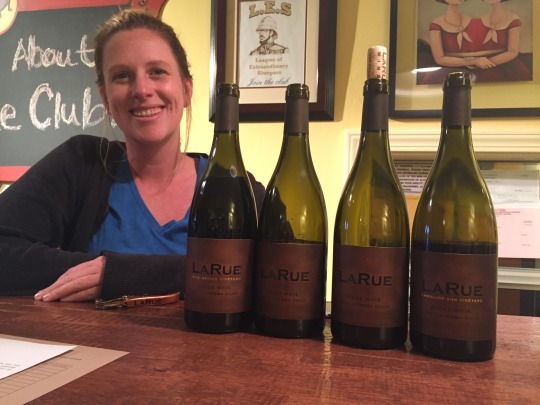
She makes wine for several labels including Banshee and Claypool, but it’s her own label, that I’ve always found swoon-worthy. Named for her grandmother, LaRue’s Pinot Noirs are some of the most delicate I’ve had from the Sonoma Coast. Katie creates wines that can still retain their power, yet showcase layers of refined complexity.
Katy Wilson of LaRue wines mostly focus on Sonoma Coast Pinot Noir.
Its having these personalized tasting opportunities which make visiting wine country in December so special. The winemakers are generally relaxed and have the time to answer questions and discuss their passion. It doesn’t matter that the vines aren’t lush with leaves and bunches of grapes, or the sun isn’t shining, or if I’m standing in a tasting room with shoes still muddied from trampling through wet vineyards. That one-on-one attention creates the ultimate oasis.
Now that it’s nearly October, it’s time to book my next December trip! Cheers!


 It's Wine By Me!